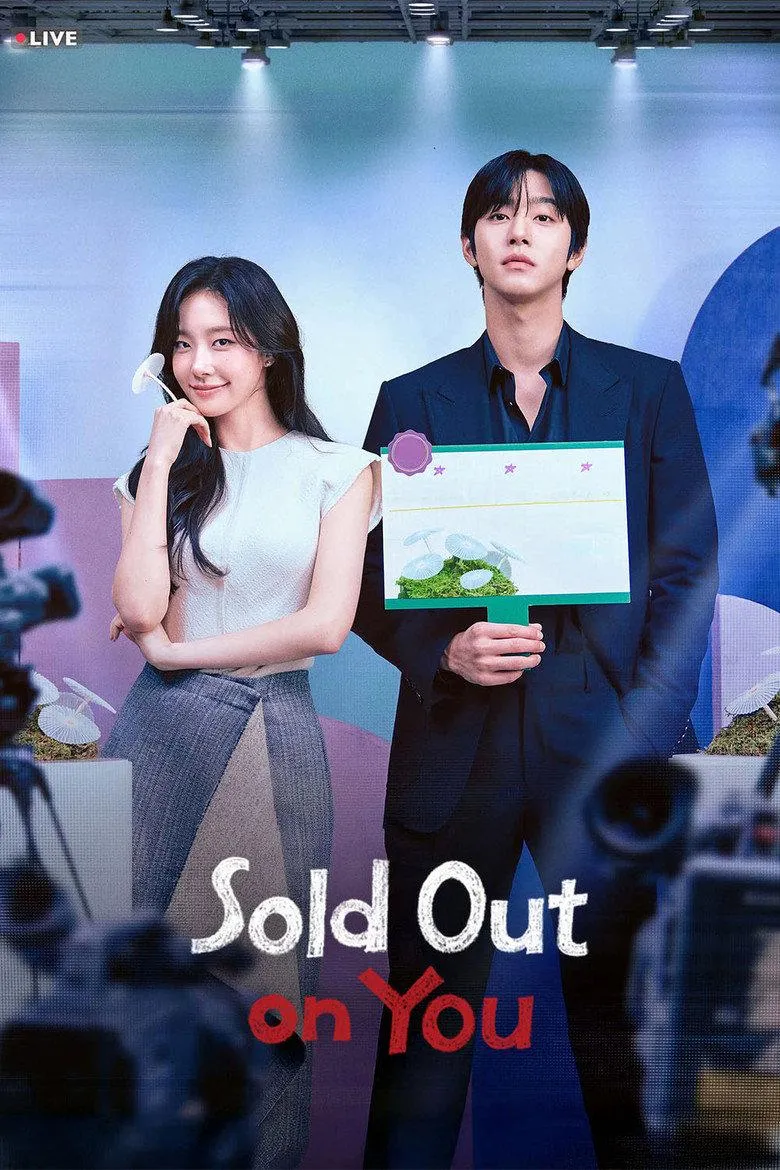
It had been a while since a K-Drama so boldly embraced its rom-com tropes, promising a return to lighthearted fun. Anticipation was high for ‘Sold Out on You,’ but as the final credits roll, the international fandom finds itself in a surprisingly unanimous state of division: it’s… okay.
From the get-go, ‘Sold Out on You’ aimed for the sweet spot of easy, brain-off entertainment. Many viewers praised its initial episodes for being “pretty funny at times” and an “easy watch if you’re willing to turn your brain off lol.” For those seeking a low-stakes escape, it delivered a comfort viewing experience that “wasn’t the best I’ve watched, but it wasn’t the worst either.” The drama scored a solid “7/10” for some, proving enjoyable if approached “without any expectations.”
However, the sentiment quickly shifted for a significant portion of the audience. The very tropes that offered initial charm became a point of contention, with critiques noting the drama “leans heavily into the tropes.” The writing, a frequent target of feedback, reportedly faltered, especially in the later stages. “I was looking forward to this and gave it so many passes at bad writing but………,” lamented one fan, adding that “for the last 2 eps it’s kinda heavy and too dramatic. So many badly written moments.”
Performance-wise, reactions were lukewarm. The Male Lead was described as doing “just ok,” while the Female Lead’s acting, characters, and overall dynamic reportedly “nothing worked for me,” leading some to “drop it after 2 episodes.” The struggle was real for others, confessing, “I am having a difficult time finishing it.”
Ultimately, ‘Sold Out on You’ stands as a polarizing entry in the K-Drama landscape. It offered humor and an undemanding watch for some, yet disappointed others with its reliance on clichés and perceived writing and acting shortcomings. It’s a drama that managed to be “not great, not terrible,” leaving fandom with the resounding impression of “so so.”