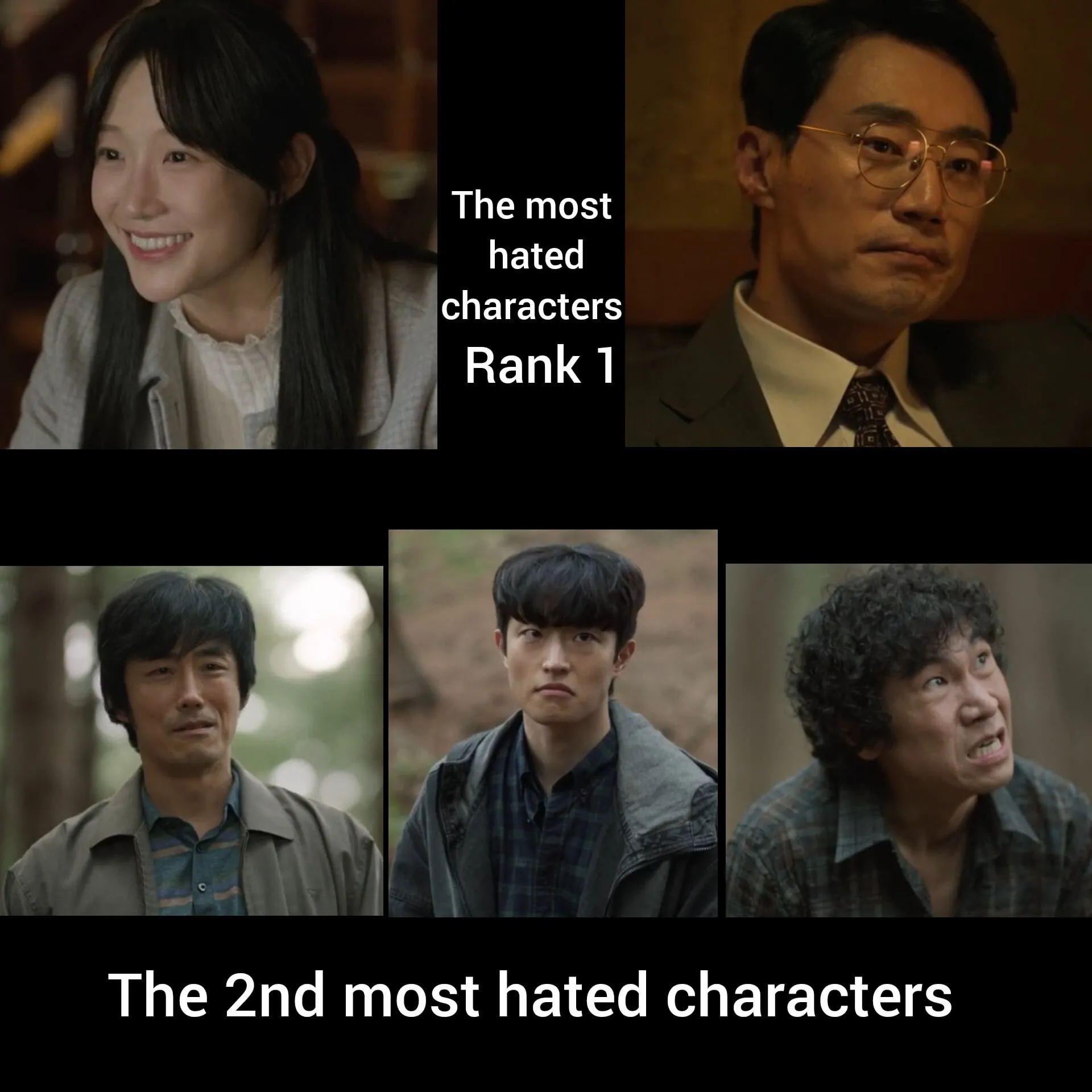
The final episode of the much-anticipated K-Drama, “The Scarecrow,” has sent shockwaves through international fandom, igniting a fervent debate about what truly constitutes a satisfying conclusion. While some viewers expressed a desire for more conventional justice, a powerful current within the fandom argues that the drama delivered not just a good ending, but arguably the best ending for its specific, dark narrative – precisely because of its unsettling realism.
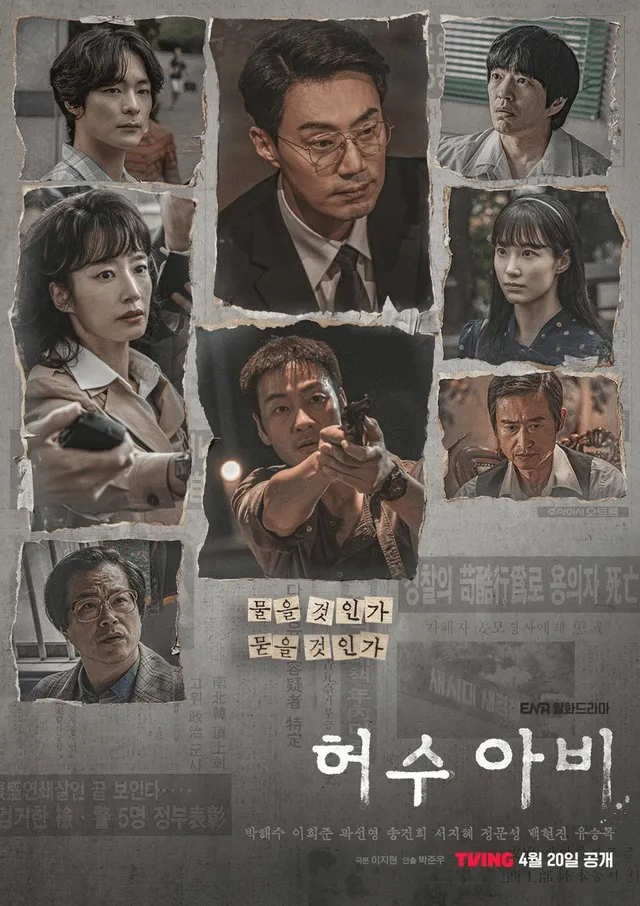
Fans are quick to point out that “The Scarecrow” eschewed a fairy-tale resolution in favor of a stark reflection of reality. “The ending reflects reality,” one fan commented, “as in the actual case, the police officers weren’t punished. Therefore, however sad the ending may be, it remains the reality of what happened.” This sentiment is echoed widely, with many asserting that criticizing the ending for its lack of traditional retribution is missing the point. The drama bravely depicted a world where powerful villains often escape accountability, drawing parallels to real-world instances like the recent discussions around the Epstein files, where “everyone got away eventually and it is slowly being forgotten.”
Adding another layer to the discussion, the character of the sister, often a target of viewer frustration, has found staunch defenders. Fandom analysis highlights her complex circumstances: “First, she had a brain injury from the car wreck. Second, her father’s family didn’t exactly fill her in on why the ML left town and never contacted her. She likely felt abandoned by him, and she had to do the best she could with what she had.” This nuanced perspective reframes her actions, suggesting she navigated her difficult reality with limited information and personal trauma.
Ultimately, for a significant portion of the international audience, “The Scarecrow” finale hit the perfect note. “I was satisfied with the ending. It hit the right note for me,” a fan declared. “The finale is perfectly satisfying for me. It stayed true to real events in that biggest villains escaped punishment. But they added enough hopeful elements not to make it depressing.” The drama’s ability to mirror the imperfect, often frustrating reality of justice, while still weaving in threads of hope, has cemented its place as a thought-provoking and unforgettable K-Drama.